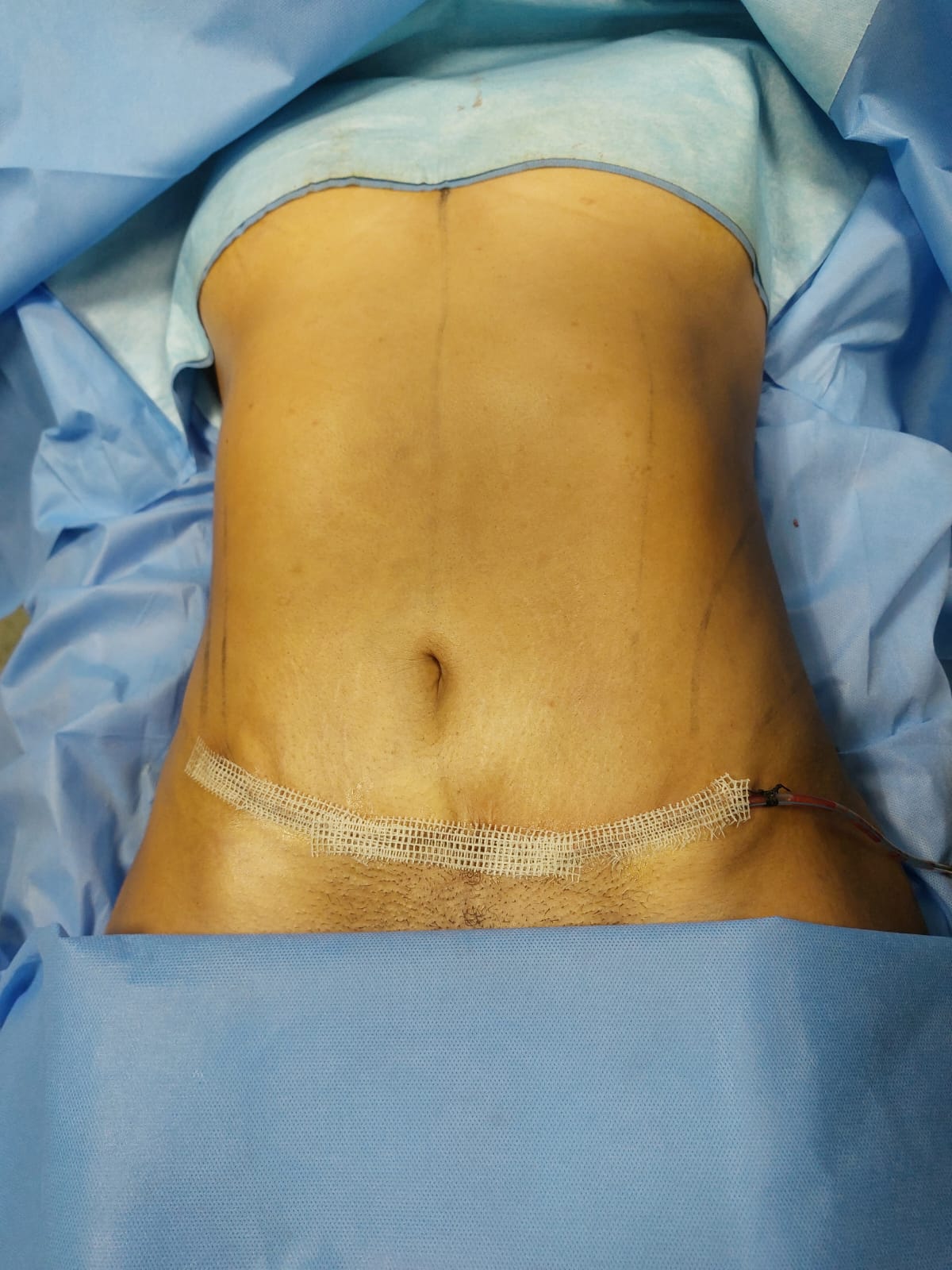
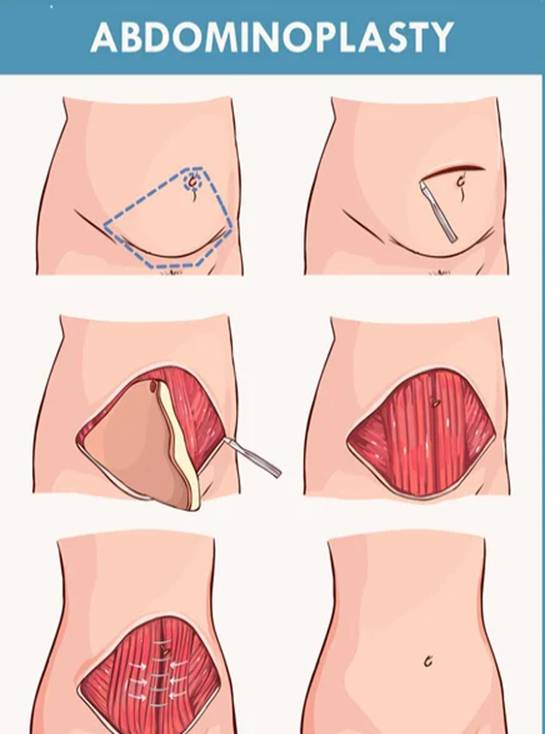
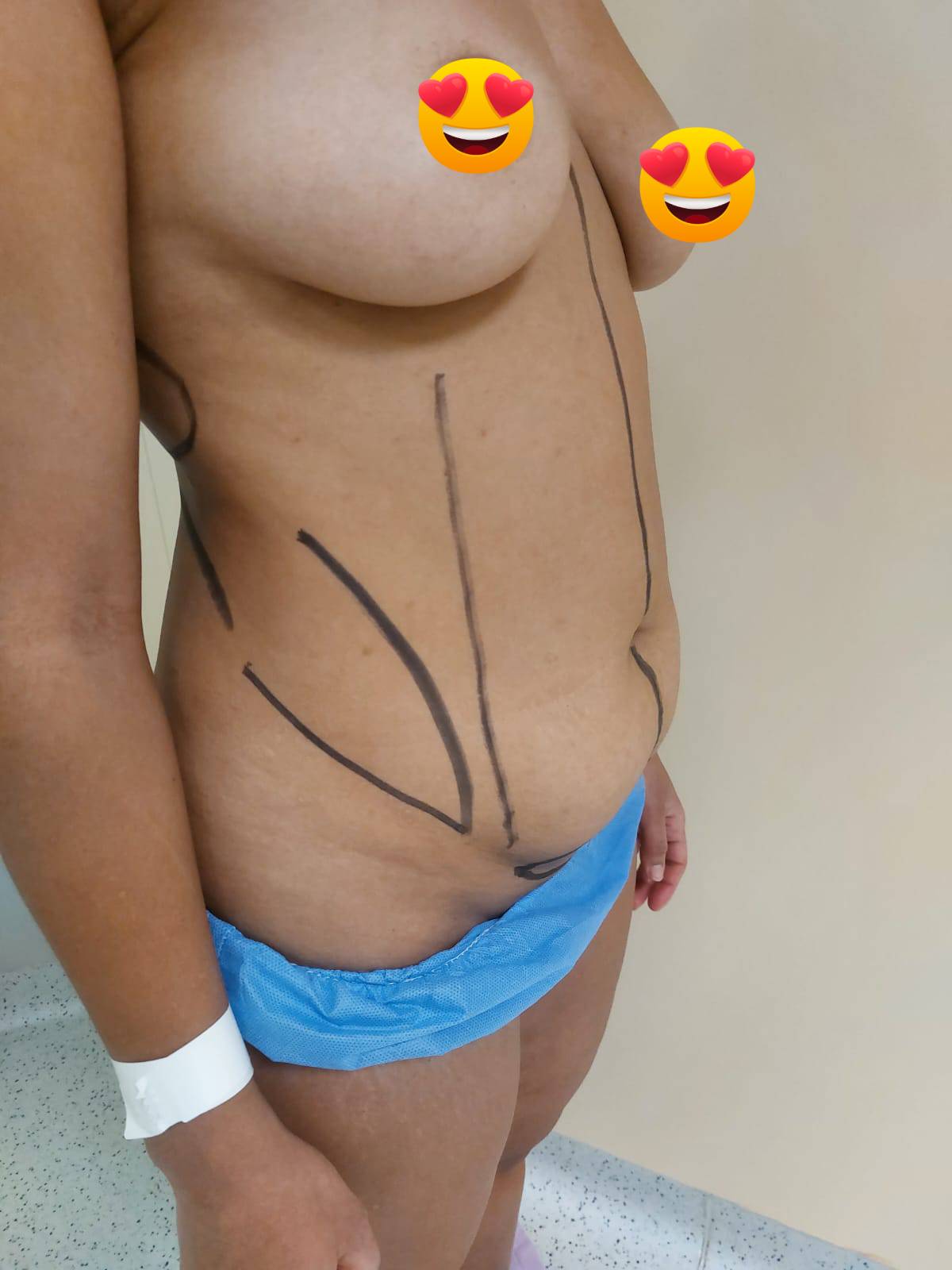
Abdominal plasty, also known as belly cosmetic surgery, is a surgical procedure aimed at reshaping the abdomen. This procedure is done in both men and women and is usually done to reduce excess skin and fat in the abdomen and sometimes to firm up the muscles of the abdominal wall called Diastasis cure.
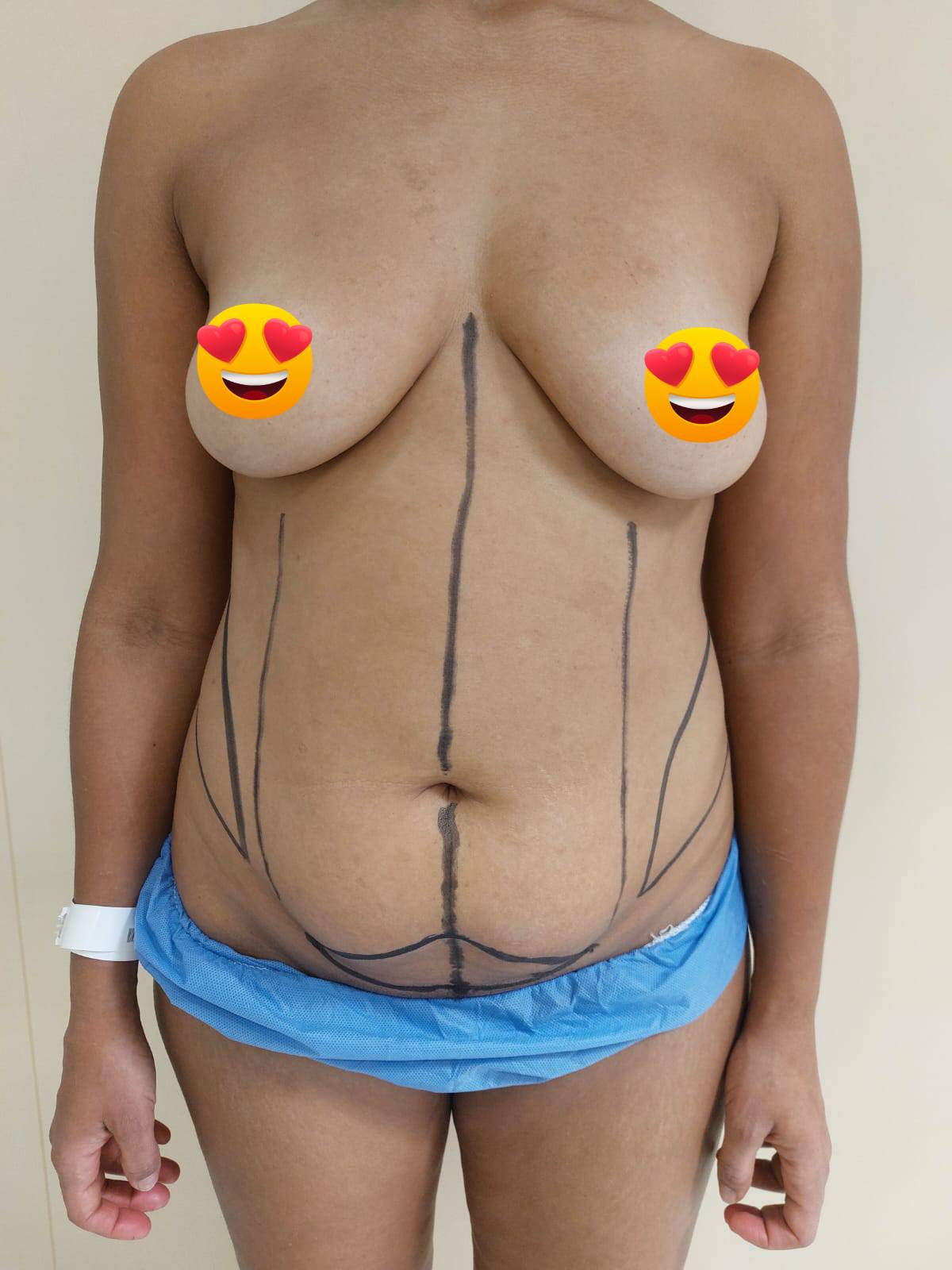
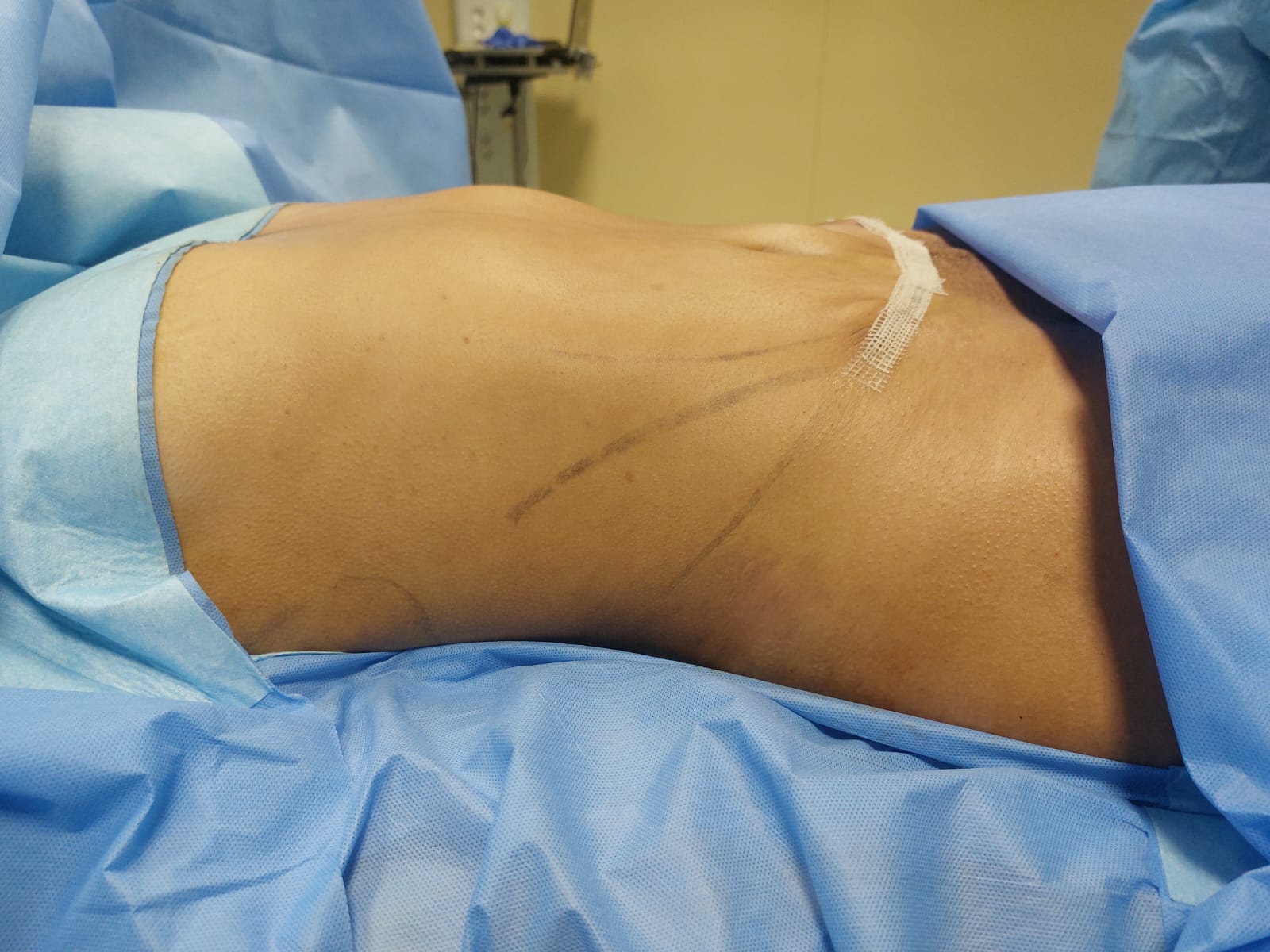
Repeated pregnancies, weight gain, sudden weight loss (due to diet, illness, bariatric surgery…), age gain maim the skin of the belly and the abdominal strap. At some point, despite dieting, exercise, and slimming, the belly remains soft, and the skin has lost all tone. Hence the indication of the tummy tuck.

Abdominal plasty is not a technique for thinning but for harmonizing silhouette.

There is also an intra-abdominal fat which, together with the weakness of the muscles of the abdominal strap, can mimic a large belly, but which is treated mainly as a nutritional fat.

After consultation and assessment of the evidence to support the indication for an abdominal surgery. Dr. Abdelaali prescribes the biological evaluation to be done as well as sometimes a radiological evaluation.

This procedure requires a hospital stay of 2 to 3 days in a clinic, a stay of one week to ten days in Tunisia.

After consultation with the anesthesiologist and preparation for the proper conduct of the procedure. Here are the main steps of a typical tummy tuck:

  1. Anesthesia: This procedure is done under general anesthesia and lasts an average of 2 to 3 hours.
  2. The first step is lipoaspiration of the abdomen to make it easier to do the abdominal plasty and reduce bleeding.
  3. The second operating stage: Abdomoplasty

Incision: The surgeon makes an incision in the abdomen. The length of the incision depends on the amount of skin to be removed. The incision is horizontal, low, and hidden in the underwear. This is followed by a detachment of the abdominal skin from both sides of the umbilicus to the xiphoid.

  1. Exposure and correction of muscles: Abdominal wall muscles may become weak or stretched, particularly after pregnancy. The surgeon tightens these muscles to create a firmer abdominal wall called diastasis cure.
  2. Removal of excess skin and fat: Excess skin and fat are removed from the subumbilical region.
  3. Belly button repositioning: The surge on repositions the belly button that has been held by its deep attachments and not detached from the abdominal skin, this repositioning being done on the abdominal skin lowered after resection of the excess skin to match the new appearanc of the abdomen.
  4. Closure of incisions: After adjustments are made, the surgeon closes the incisions with sutures. By first putting a drain. Wearing of restraint garment to keep for 1 to 2 months.
  5. Recovery: After the operation, the patient is resting with anticoagulant treatment and monitoring during the recovery period. There may be specific recommendations regarding postoperative care, physical activity should be avoided. Early emergence and walking are advised.


Image module

It is important to note that abdominal surgery is a major surgical procedure, and like any procedure, there are risks and benefits. Potential candidates should discuss expectations, risks, and possible outcomes in detail with their surgeon. Recovery may take several weeks, lymphatic drainage routinely prescribed from the 5th day greatly improves outcome.

Final results take 4 to 6 months to be seen as swelling decreases and tissues heal.

Complications:

They are rare but possible, in addition to the risks of anesthesia

  • Infection
  • The hematoma and bleeding
  • Poor healing
  • Lymphorinated seroma
  • Numbness and altered sensation
  • Deep vein thrombosis and pulmonary embolism

Your surgeon will explain in detail the indication, management, complications and precautions to be taken to avoid them.

Abdominal mini-lift: This is a variant of the abdomen plasty for moderate excess skin fat in the subumbilical region. There is less scarring in the cornea and less peeling of the skin at the umbilicus. The indication, procedure and follow-up should be discussed with your surgeon.

See more details
Request a quote