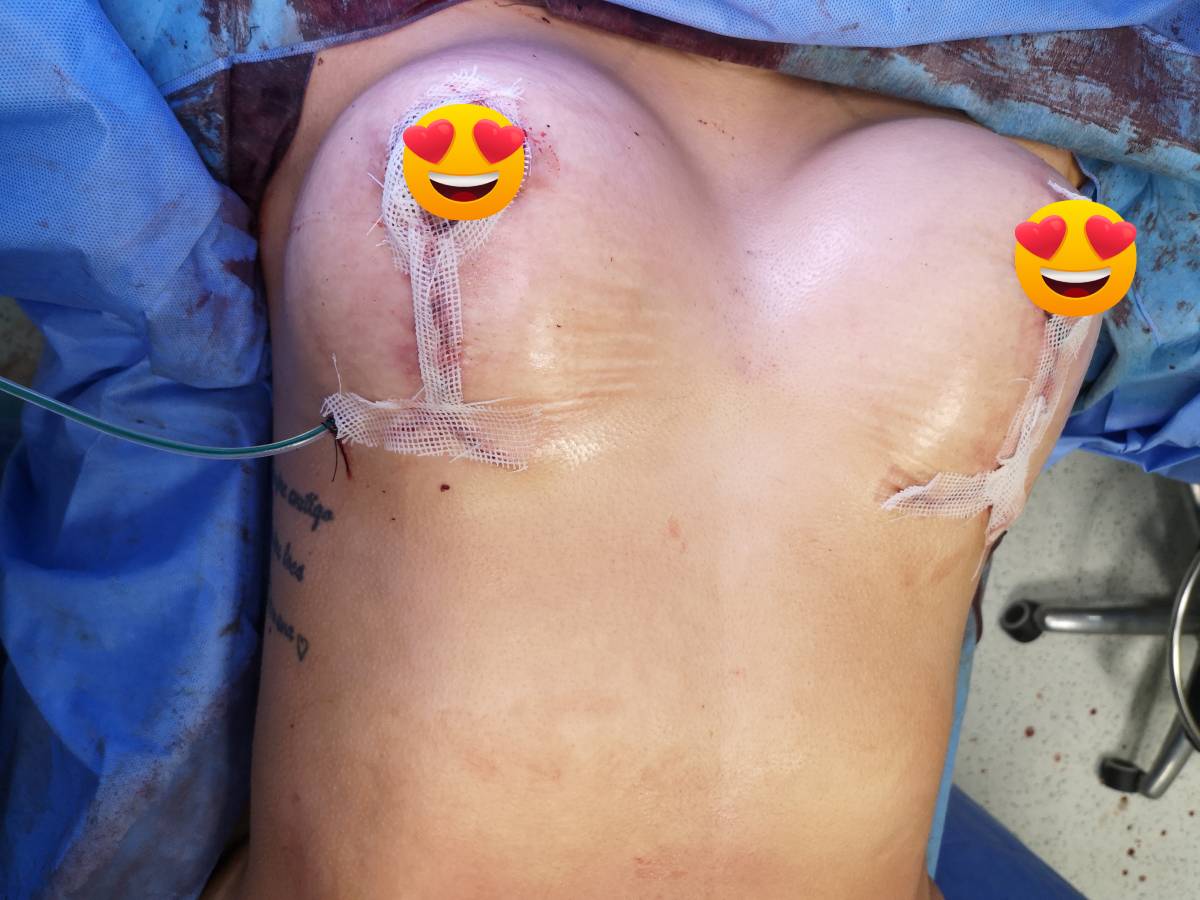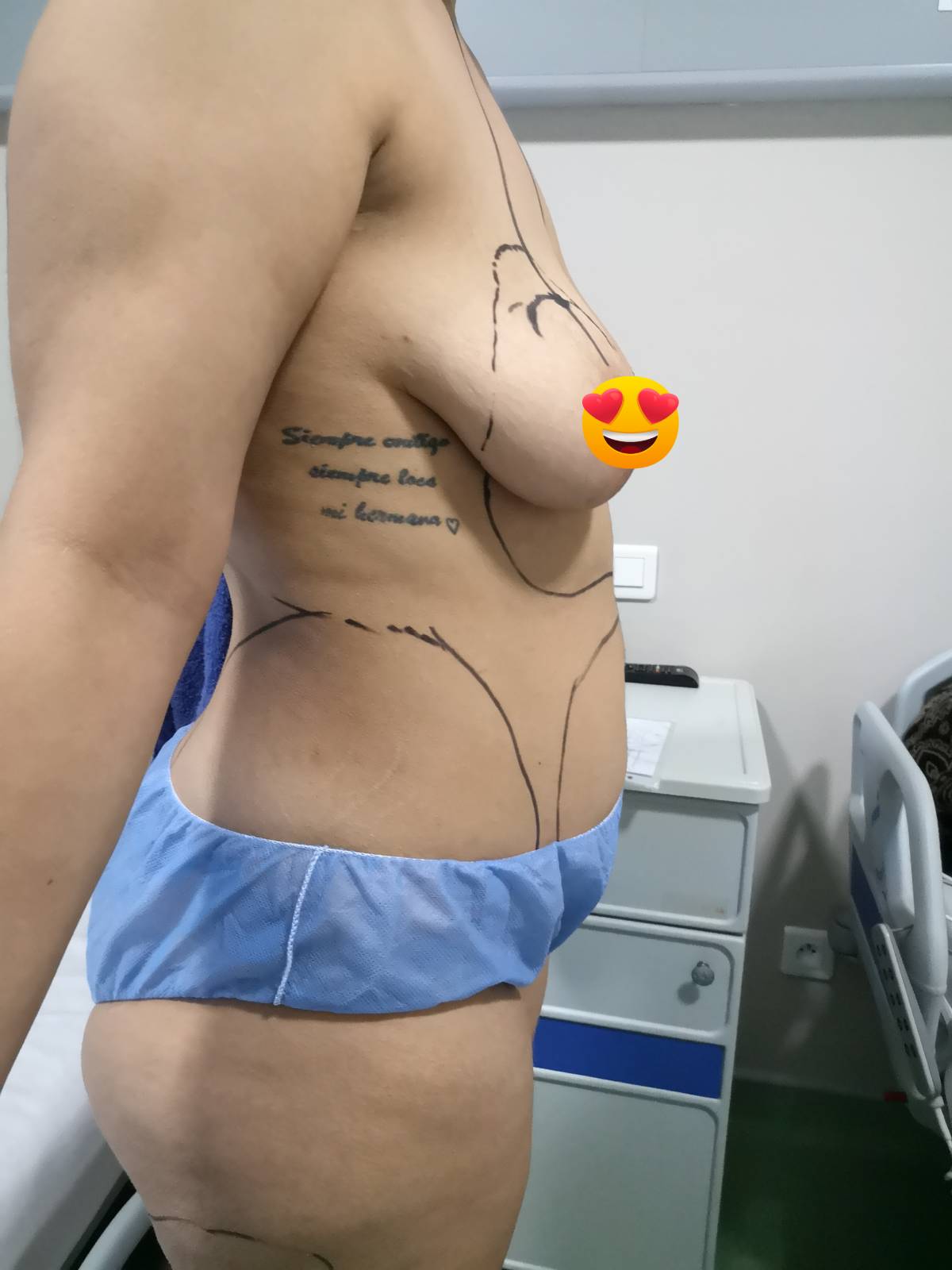

A breast lift is the procedure used to “lift the breasts”, also known as “mastopexy”.

Breast slippage is due to sagging of the gland and exaggerated distension of the enveloping skin. The breasts lose their shape and the areola is drawn downwards. “The décolleté becomes empty.

Mammary ptosis may be natural in origin, or may appear following significant weight loss or pregnancy with breast-feeding, when the volume of the breasts decreases significantly.

Breast ptosis is accompanied by breast hypertrophy or hypoplasia.

Ideally, a breast has no ptosis, or only a discreet pseudoptosis. The greater the ptosis, the greater the need for scarring to restore the breast to its original position.

The areola must be centered in relation to your breast and its base. It should be right in the middle of the breast. The areola should look straight and slightly upwards. If the areola is not centered, or is looking down or in another direction, we speak of areolar dystopia. The areola is ideally well rounded, measuring between 4 and 5 cm in diameter.
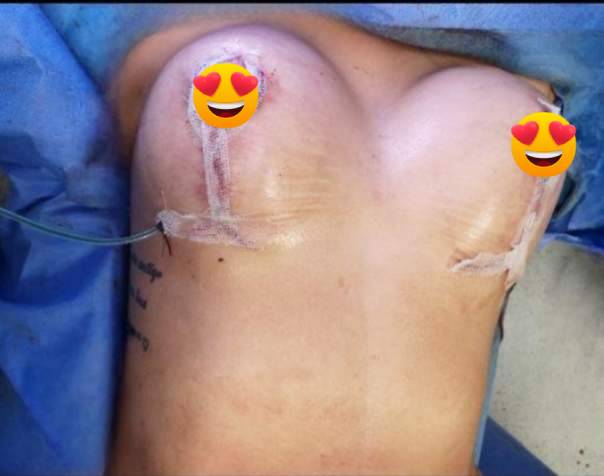
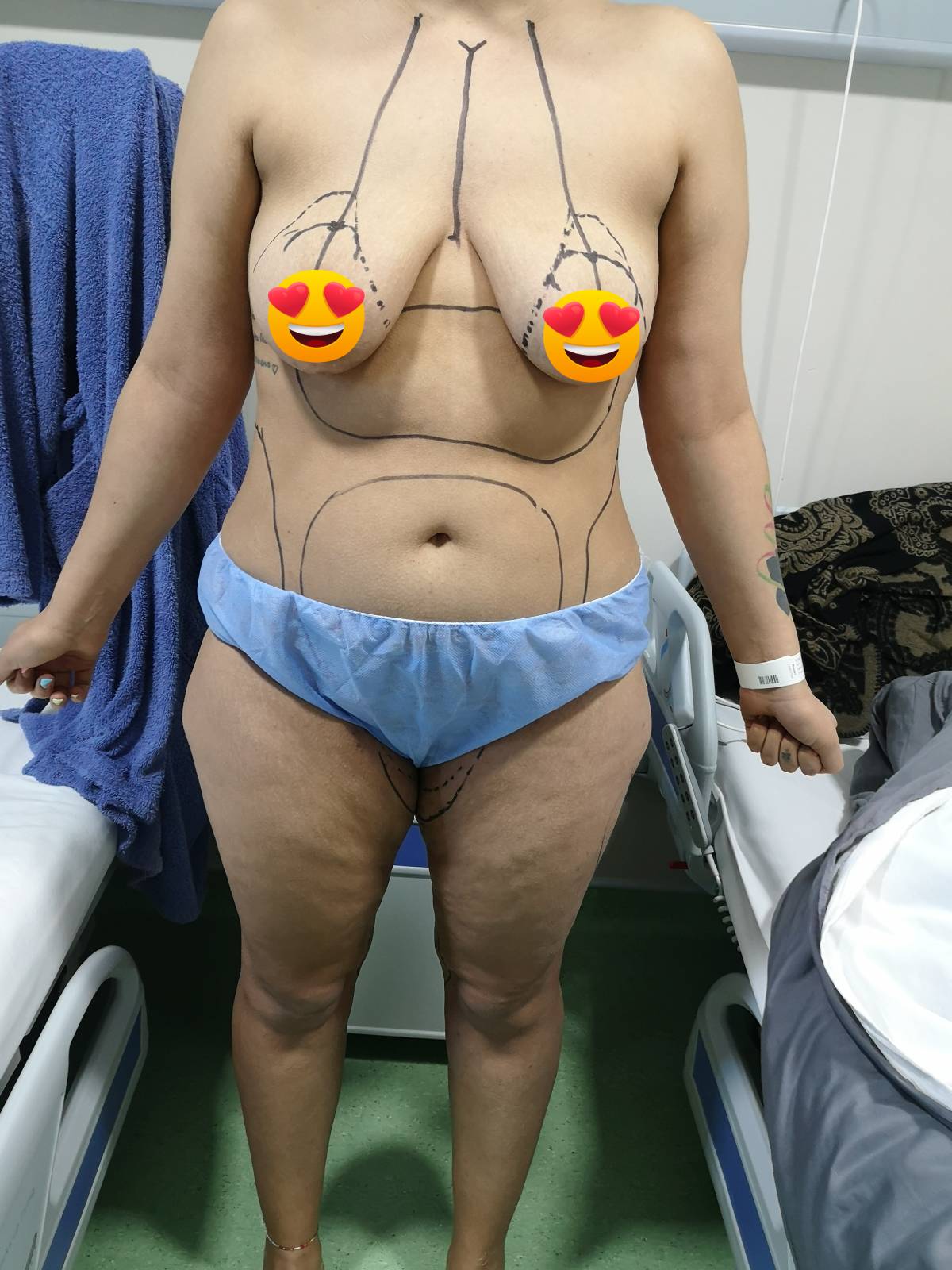
THE PRE-OPERATIVE CONSULTATION:

This is essential in order to ascertain the patient’s wishes and to carry out a thorough questioning and clinical examination:

  • Learn about the patient’s medical, surgical and obstetrical history.
  • Determine breast measurements, shape and volume, and skin quality (thickness and elasticity).
  • Determine the type of ptosis.
  • Estimating the degree and stage of ptosis
  • Location, shape and projection of areola and nipple, and note any asymmetry
  • Choice of surgical technique according to degree of ptosis
Image module
Image module
  • Detailed explanation of the procedure that’s right for the patient and the post-operative course.
  • The need for any associated procedures (prosthesis, lipofilling, glandular reduction) depending on the case.
  • Information on possible complications of the operation
  • Ask for a biological and radiological check-up

THE OPERATION AND ITS AFTERMATH:

  • After consultation with the anaesthetist and visualization of the check-ups
  • The surgeon makes precise preoperative drawings which will be followed during the operation.
  • The procedure: The operation lasts 1 hour 30 minutes for a ptosis cure alone, and 2 hours 30 minutes for a combined procedure. It is performed under general anesthesia.
  • In the case of ptosis cure alone, the mammary gland and areola are returned to their correct position, “suspended and fixed”, with the breast re-centered when it tends to move spontaneously outwards, while maintaining the volume of the gland. The excess skin is then resected as required.
  • Once the dressing has been applied, a non-wired bra is put on and worn day and night for 1 month.
  • Hospitalization at the clinic lasts 24 hours.
  • Painkillers are also prescribed before leaving the clinic to ease post-operative pain.
  • A 7-10 day leave from work is recommended. Carrying heavy objects, sports activities, sun exposure and smoking are strongly discouraged for the 1st month following surgery.
  • After ptosis surgery, results can be appreciated from the 3rd month onwards (scars will fade, oedema will disappear and tissues will soften).
  • Sensitivity of the areola and nipple may be reduced for the first 6 months.
  • If pregnancy is desired, it should not occur before 1 year after the operation.
  • Breast-feeding is strongly discouraged and may be disrupted after this type of operation.
Image module

Complications

  • Vicious scars
  • Partial or total necrosis of the areola
  • Infection
  • Haematomas
See more details
Request a quote