

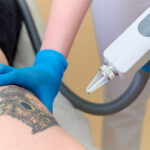
A vascular laser is a medical procedure that uses focused beams of light to treat a variety of vascular problems, such as dilated blood vessels, telangiectasias (small blood vessels visible under the skin), or angiomas (vascular lesions). This technique is often used to improve the appearance of the skin by reducing the visibility of unwanted blood vessels.
Here are some things to consider for vascular laser treatment:
Goals of Treatment
Vascular laser treatment aims to target and clot unwanted blood vessels, making them less visible on the skin surface.
Types of Laser
Vascular lasers emit specific wavelengths that are absorbed by the hemoglobin in the blood vessels.
The laser can be adjusted according to the color and depth of the blood vessels to be treated.
Indications
Vascular laser therapy is used to treat facial redness, angiomas, leg varicosities, telangiectasias, and other vascular skin conditions.
Procedure
The procedure is usually done on an outpatient basis.
Your doctor uses the laser to emit pulses of light that are absorbed through the targeted blood vessels.
During treatment, patients may feel warm or tingling. Some lasers have integrated cooling systems to minimize discomfort.
Duration of Treatment
The duration of the treatment depends on the area treated and the extent of the blood vessels to be treated. Sessions are usually fast, taking anywhere from a few minutes to an hour.
Number of Sessions
The number of sessions needed depends on the condition being treated and the individual response to treatment.
Significant results can often be observed after several sessions, separated by a few weeks.
Recovery
After treatment, temporary redness may occur, but most people can resume their normal activities quickly.
Sun Protection
It is essential to protect treated skin from the sun during the recovery period, as it may be more sensitive to UV damage.