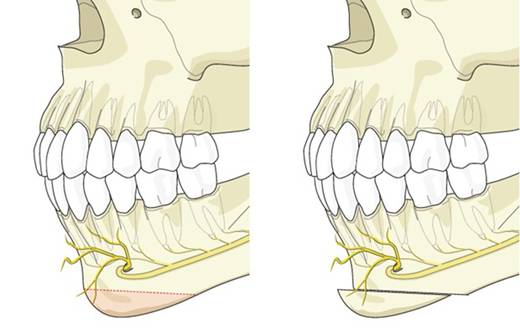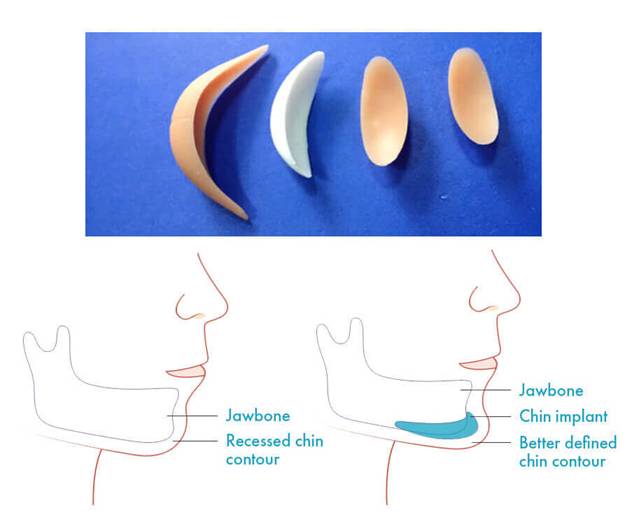
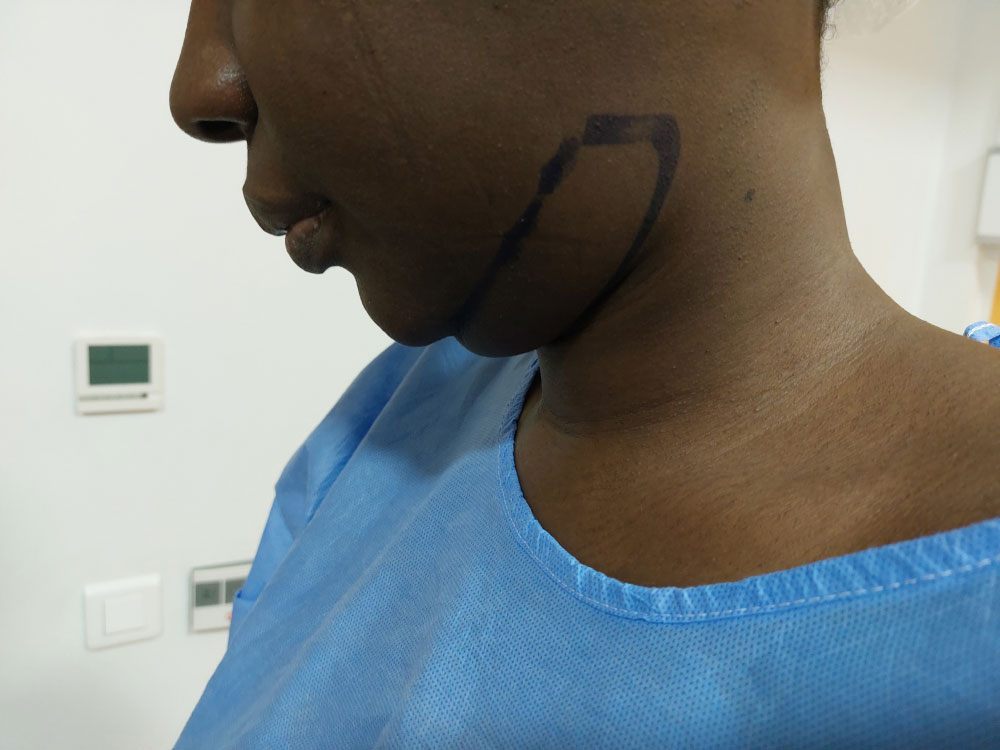
Chin surgery, or genioplasty, is a cosmetic or reconstructive surgical procedure that involves changing the size, shape or position of the chin. There are different reasons why a person may consider chin surgery, and the procedure can be tailored to achieve specific aesthetic or functional goals. Here are some common aspects of chin surgery:

The interventions are carried out under general anesthesia.

Double Chin Correction: Although not always considered under the category of chin surgery, procedures such as liposuction or other non-surgical treatments can be used to treat a double chin.

Chin augmentation: This involves increasing the size or projection of the chin. This is often done using implants or by repositioning the bone through surgery or by injecting fat or hyaluronic acid.

Image module
Image module

Chin reduction: Conversely, some people may desire a reduction in the size or prominence of the chin. This may involve reshaping the bone or removing excess offending tissue.

Genioplasty: This is a broader term that encompasses various surgical procedures to modify the chin. This can include both augmentation and reduction techniques.

Correction of chin deformities: Chin surgery can also be performed for functional reasons, such as correcting congenital anomalies, injuries or abnormalities in the structure of the chin.

It is important for people considering chin surgery to consult a qualified plastic surgeon. The surgeon will evaluate the individual’s facial anatomy, discuss their goals, and recommend an appropriate plan of action. The duration of the procedure and hospitalization varies depending on the surgical indication.

Like any surgical procedure, chin surgery has risks and benefits, and the outcome will depend on a variety of factors, including the individual’s anatomy.


If you have specific questions or concerns regarding chin surgery, Dr. Abdelaali will be able to provide you with personalized advice based on your specific situation

See more details
Request a quote