
Hair transplantation is a surgical procedure that involves removing hair follicles from an area of the scalp called (donor area) where the hair is more resistant to hair loss, and transplanting them to an area of the scalp where baldness is present or where the hair is sparse (recipient area).
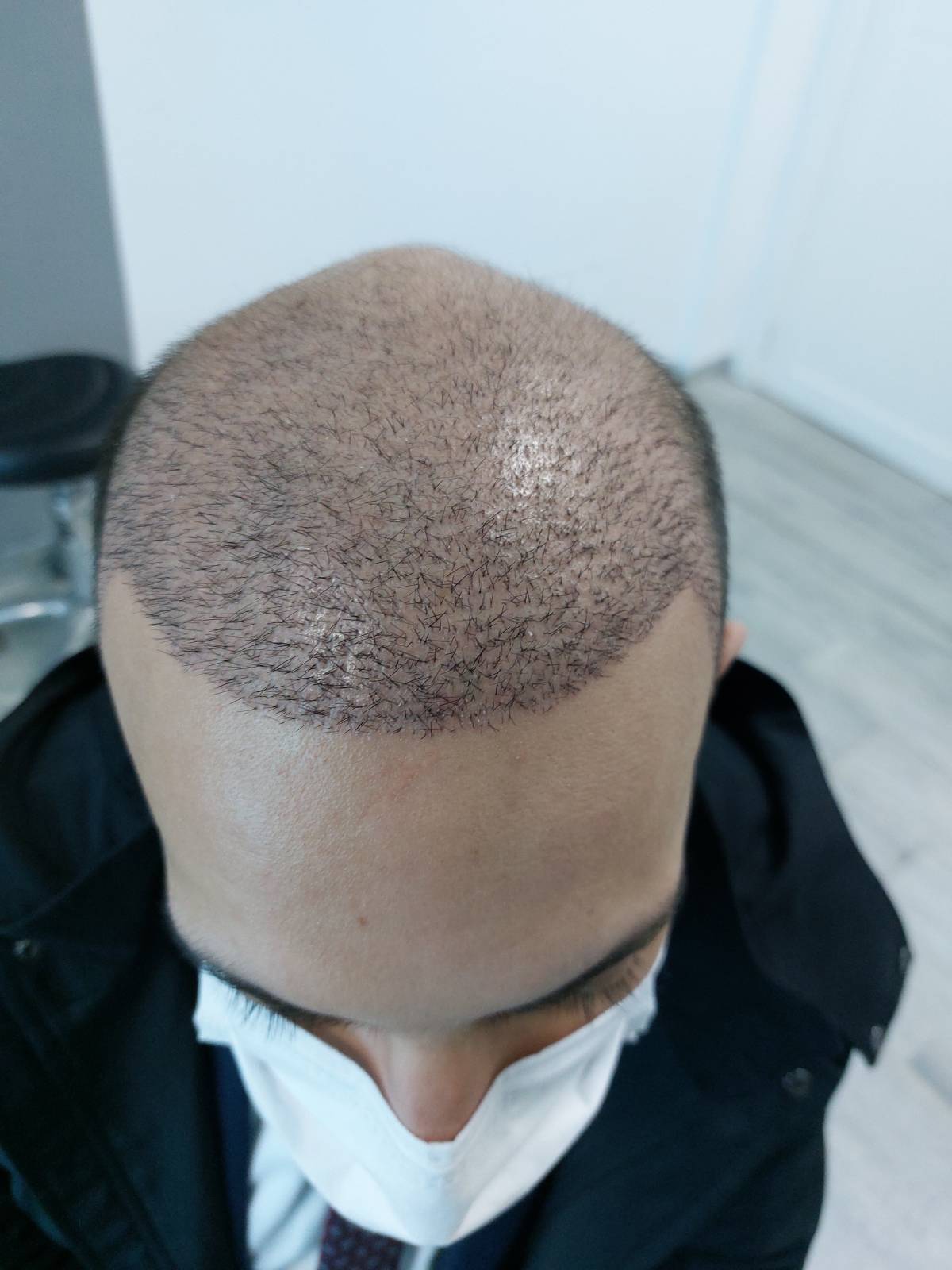
1- Consultation with Dr. Abdelaali:
- The surgeon will assess the individual patient’s situation, the cause of hair loss, discuss expectations and treatment options, and provide detailed information on the process.
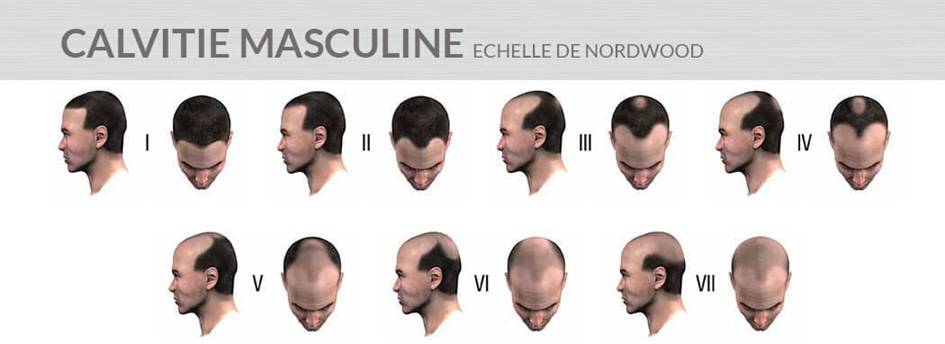
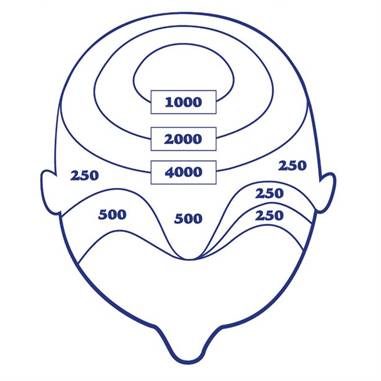
Hair transplantation is a popular procedure to treat baldness and improve hair appearance. However, it is important to make informed decisions, to understand the expected results depending on the density of the donor area and the surface to be treated. The degree of baldness will be classified according to the Norwood classification. The number of grafts to be removed will be estimated as a function of the donor zone and the zone to be treated.

Here are some things to consider about hair transplantation:
2- Hair Transplant Techniques:
- There are different hair transplant techniques, but the most common method is the FUE technique
- FUE: (Follicular Unit Extraction) where hair follicles are removed one by one using a small circular punching machine.
3- Donor and Recipient Area:
- The donor area is usually located at the back or on the sides of the head, where the hair is genetically more resistant to falling.
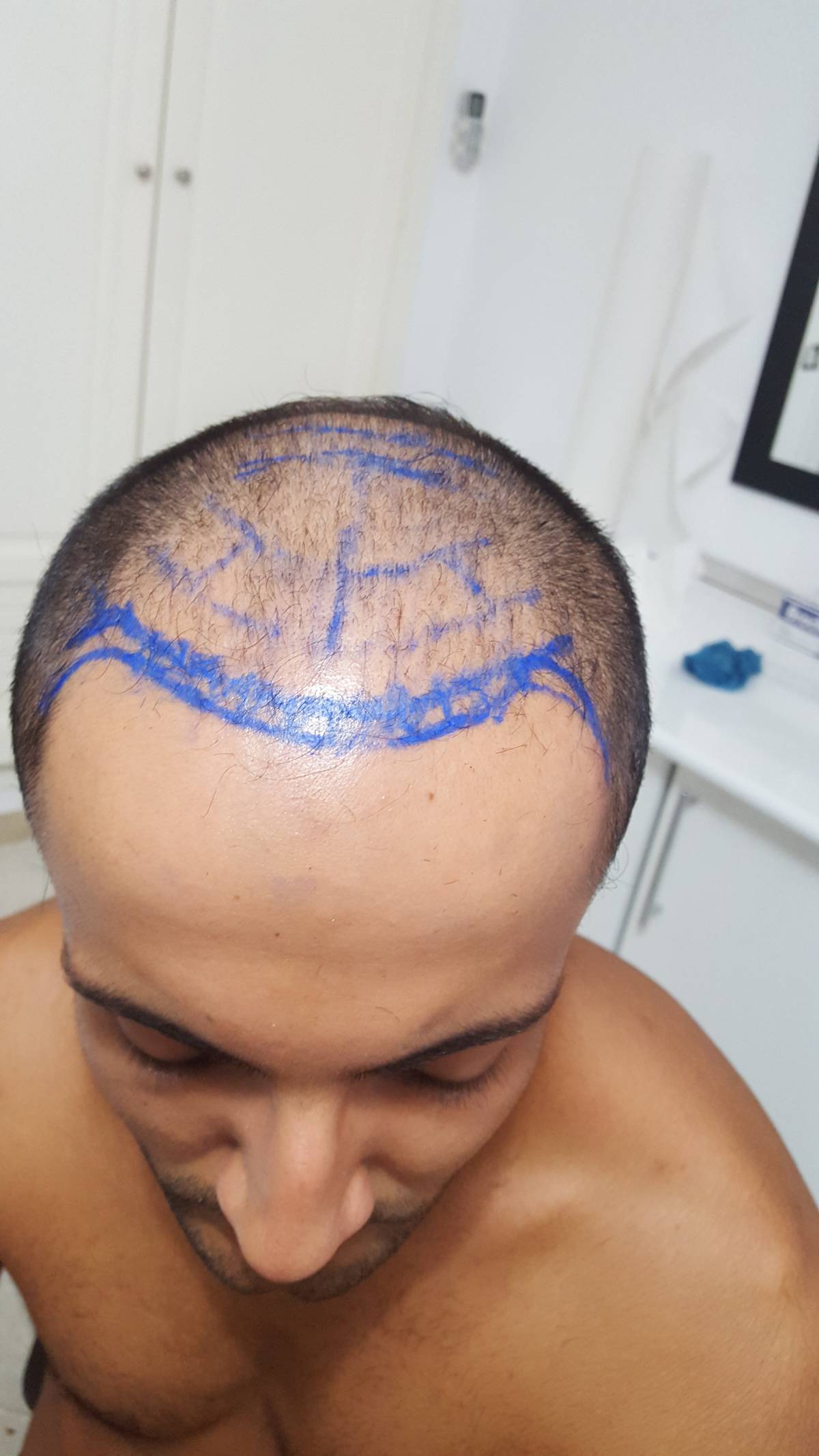
- The recipient area is where hair is implanted to treat baldness.
4- Anesthesia and Duration of the Procedure:
- Hair transplantation is usually done under local anesthesia.
- The duration of the procedure depends on the amount of hair to be transplanted and the technique used, but it may last for several hours. the stay in Tunisia in case of a hair transplant session is 3 days.
5- Recovery:
- After transplantation, there may be a recovery period during which patients must avoid certain activities to allow optimal healing.
- The postoperative instructions of the surgeon should be followed carefully.
6- Results and Hair Growth:
- Hair transplant results are not immediate. Growth of transplanted hair usually begins after a few months.
- The final result may take several months, and hair density may improve over time.

By way of indication, here is on average the estimate of the number of grafts required for alopecic zones.
- Patients with significant alopecia may require additional implantation sessions as well as patients who require densification of the area initially treated.
7- Risks and Complications:
- As with any surgical procedure, there are risks such as infection, problems with wound healing, or unsatisfactory cosmetic results.
Special mention for hair transplantation for women:
It is not as common among women as it is among men, but it may be an option considered for treating hair loss, baldness, or reduced hair density in women.
Here are some things to consider regarding hair transplantation for women:
1- Causes of Hair Loss in Women:
- Women can lose their hair for a variety of reasons, including genetic factors, hormonal changes, medical conditions, strict diets, stress, menopause, etc.
2- Evaluation of Hair Loss:
- Before recommending a hair transplant, it is crucial to understand the underlying cause of hair loss in women. A biological and especially hormonal evaluation is often required.
3- Hair Transplant Techniques for Women:
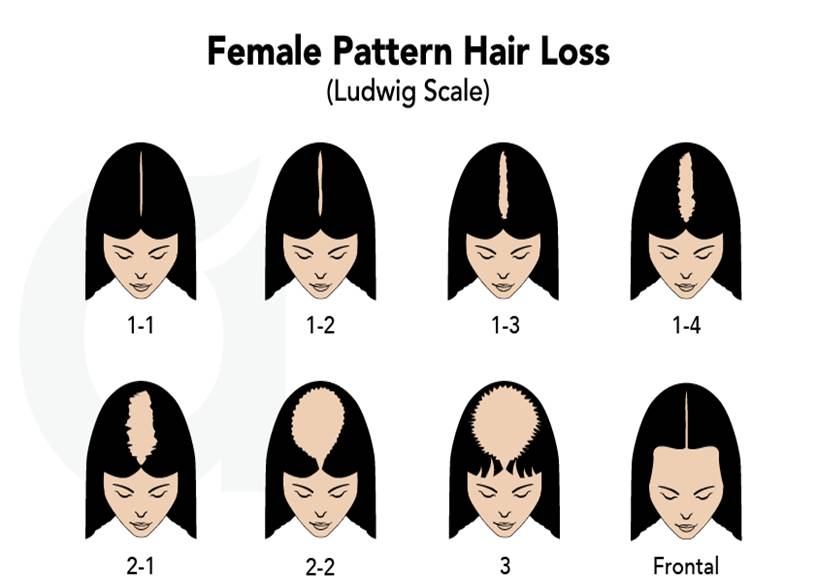
- Women may benefit from various hair-transplant techniques, including FUE. The number of grafts needed to treat the alopecic area (which will be classified according to the Ludwig classification) will also be estimated.

In both male and female surgical suites, PRP injection sessions will be scheduled to strengthen and improve the final outcome.