
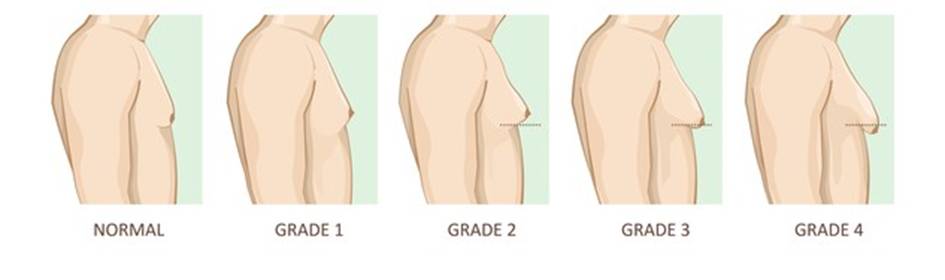
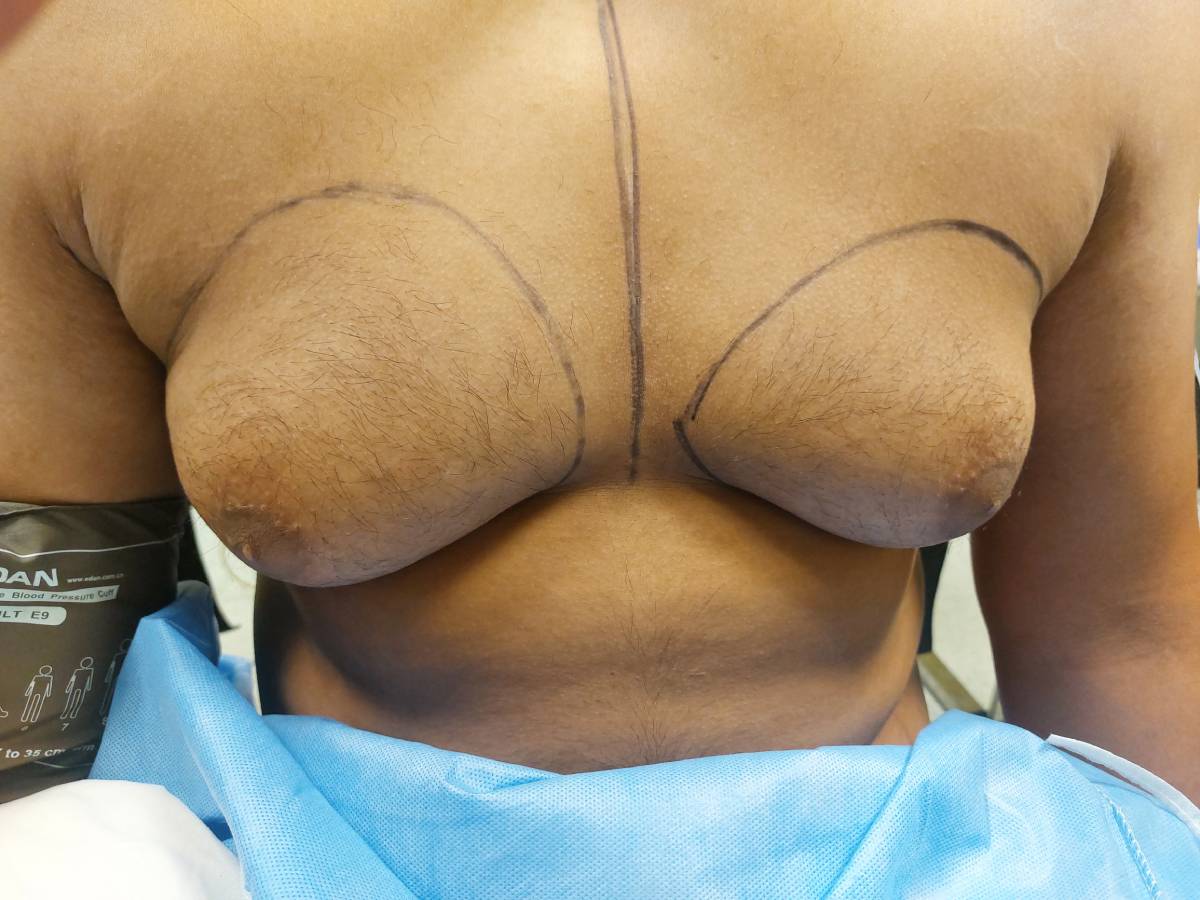
Gynecomastia is a medical condition characterized by the excessive development of breast tissue in men. This can occur at any age but is more common during puberty and in older men. Gynecomastia may affect one or both breasts and may result from various factors.

Here are some key points to consider regarding gynecomastia:

Causes:

Gynecomastia may be caused by hormonal imbalance, including an increase in estrogen relative to testosterone.

Other factors include use of certain drugs, underlying medical conditions, alcoholism, obesity, and, in some cases, no specific identifiable cause.

Symptoms:

Symptoms of gynecomastia include swelling or enlargement of breast tissue in men.

Often, there is no pain associated with gynecomastia, but some men may feel tenderness or discomfort in the chest.
Diagnosis:

Diagnosis of gynecomastia is based on the medical examination, history, and any tests, such as blood tests to evaluate hormone levels or medical imaging tests to rule out other problems.

Once the diagnosis is made, gynecomastia will be evaluated according to its importance, which determines the treatment.

Image module

Treatments:

Treatment of gynecomastia depends on the underlying cause.

If gynecomastia is due to hormonal imbalances, drugs may sometimes be prescribed. In some cases, surgery may be recommended to remove excessive breast tissue.

Gynecomastia (Male Breast Reduction) surgery:

If gynecomastia persists despite other treatments, or if it is primarily due to excess glandular tissue rather than fat accumulation, breast reduction surgery may be considered.

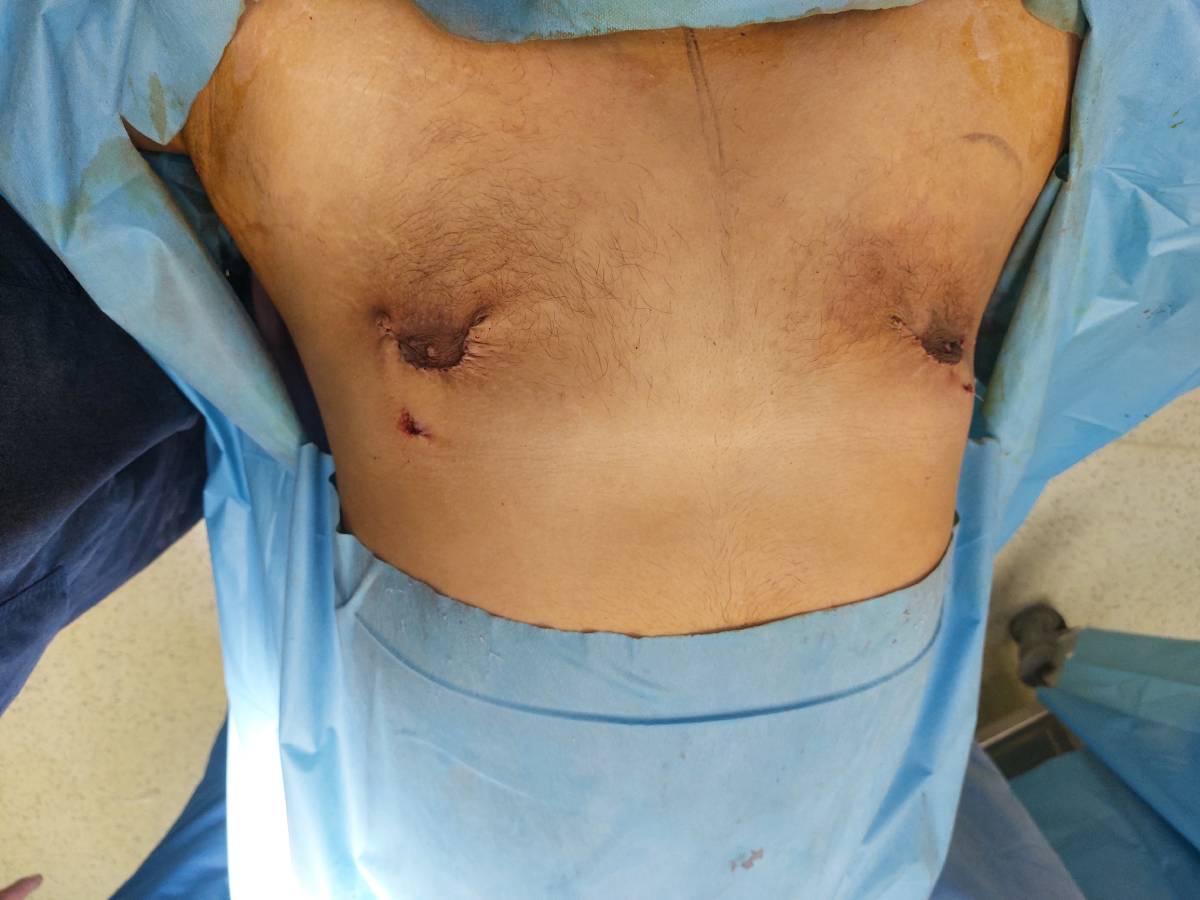
Surgery typically involves removing excess breast tissue and may be done by liposuction, surgical excision, or a combination. This type of operation is performed under general anesthesia, lasts an average of 1 hour 30 minutes and requires a 24-hour hospital stay in a clinic and a 5-day stay in Tunisia.

The patient wears a restraint vest for one month in which he avoids sports activities. On average, daily activities can be resumed from one week after surgery.

Your surgeon will make the precise diagnosis and the appropriate treatment plan after a thorough medical examination and the necessary evaluation to explore the cause of this gynecomastia.

He will explain in detail the consequences and complications of this type of operation.

Surgical gland excision is definitive and definitive for pure glandular gynecomastia. The same is true for forms with a predominant fat component treated by exclusive lipoaspiration, however the monitoring of any weight gain will be necessary to perpetuate the result. In addition to physical comfort, the gynecomastia operation provides the patient with considerable psychological benefit, as the patient recovers a male breast.

In rare cases, imperfections may be visible: hollows or lumps under the skin due to liposuction of excess fat. Massage and hydration of the skin will reduce this phenomenon; temporary insensitivity of the nipples; poor healing with the appearance of keloid scar may require specific treatment; concavity of the areola (hollow areola) or excess skin

See more details
Request a quote