
Hymenoplasty is surgery to restore or recreate the hymen, the thin membrane at the entrance to the vagina. This procedure is often done for cultural, religious, or social reasons. Here are some things to consider regarding hymenoplasty:
Reasons for Hymenoplasty:
Hymenoplasty is usually required in settings where preservation of the hymen is culturally or socially important.
Some people may choose this procedure for religious, cultural, or personal reasons, sometimes wanting to simulate virginity.
Procedure:
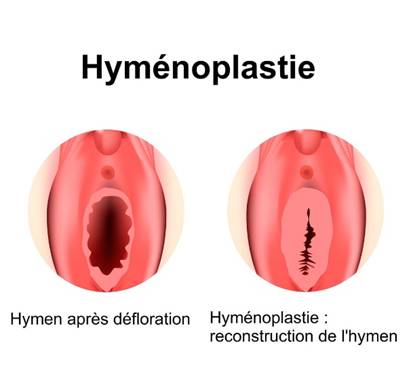
Usually, the edges of the torn hymen are sewn back together (hymenorrhaphy).
If the hymen has been completely lost, the surgeon can use the surrounding mucosa to create a membrane similar to the hymen.
Procedure Duration and Recovery:
Hymenoplasty is often an ambulatory procedure that is done under local or general anesthesia within 1 hour. The hospital stay is half a day.
Recovery varies from person to person, but rest for a few days after surgery is usually recommended.
The result of hymenoplasty is immediate and lasts until the next sexual act. It is undetectable even in women who have had a gynecologic examination before marriage.
When the hymen ruptures, blood loss is not common. However, even if there is no bleeding, the man will feel resistance at the time of penetration. To increase the likelihood of bleeding before marriage, some women do not hesitate to have surgery a week before the wedding, so that the unhealed wound causes bleeding on the sheets.
Risks and Complications:
As with any surgical procedure, there are potential risks such as infection, excessive bleeding and reactions to anesthetics.
Open communication with the surgeon before the procedure is essential to understanding the risks and benefits.
- Consultation with a Surgeon:
The surgeon will discuss the patient’s expectations, assess the feasibility of the procedure and provide detailed information on the process.
- Psychological and Ethical Aspects:
Patients considering hymenoplasty should consider the psychological and emotional implications of the procedure.
The surgeon must ensure that the patient makes an informed decision.