

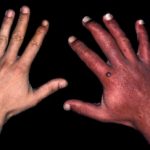
Post-traumatic osteoarthritis of the hand and wrist occurs when joints in these areas sustain injury or trauma, which can lead to cartilage deterioration and inflammation. Osteoarthritis is a common form of joint disease characterized by progressive degradation of joint cartilage, leading to pain, stiffness and reduced mobility.
Traumas that can contribute to the development of post-traumatic osteoarthritis of the hand and wrist include fractures, severe sprains and dislocations. When a joint is injured, the cartilage covering the joint surfaces can be damaged, leading to inflammation and, eventually, the formation of bone deposits called osteophytes.
Symptoms of post-traumatic osteoarthritis of the hand and wrist can include:
- Pain in the hand or wrist, which may be constant or occur when using the joint.
- Stiffness, especially after rest or sleep.
- Swelling around the affected joint.
- Decreased strength or mobility in hand or wrist.
- Sensation of creaking or cracking when the joint is moved.
Treatment of post-traumatic osteoarthritis of the hand and wrist is generally aimed at relieving pain, improving function and slowing disease progression. Treatment options may include:
- Nonsteroidal anti-inflammatory drugs (NSAIDs) to reduce inflammation and relieve pain.
- Analgesics to control pain.
- Physical therapy to strengthen surrounding muscles and improve mobility.
- Orthoses or splints to support the joint and reduce pressure on joint surfaces.
- Corticosteroid injections to reduce inflammation in the joint.
- Surgery, in severe cases where other treatments do not provide adequate relief. Surgery may involve arthroplasty (joint replacement) or arthrodesis (fusion of the bones of the joint).
It’s important for people with post-traumatic osteoarthritis of the hand and wrist to seek advice for an accurate diagnosis and appropriate treatment plan. Early treatment can help manage symptoms and slow disease progression.