
The paralytic sequelae of the upper extremities can result from a variety of causes, including nerve damage, neurologic disease, trauma, or stroke. These sequelae may result in loss of function, muscle weakness, or partial or total paralysis in arms, shoulders, hands, or fingers. Possible causes and conditions associated with paralytic sequelae of the upper extremities include:
- Traumatic nerve injuries:Severe injuries, car crashes, falls, or other trauma can damage peripheral nerves or the spinal cord, resulting in paralytic sequelae.
- Stroke: A stroke that affects certain areas of the brain can cause partial or total paralysis of the arm or hand on the opposite side of the body.
- Spinal cord injury: Spinal cord injury to the cervical cord can cause paralytic sequelae in the upper extremities. Severity depends on the height of the lesion.
- Nerve compression syndromes: Conditions such as thoracic outlet syndrome or carpal tunnel syndrome, ulnar nerve compression syndrome at the elbow, can cause nerve damage and paralytic sequelae in the hands and fingers.
- Neuromuscular disorders: Disorders such as muscular dystrophy, amyotrophic lateral sclerosis (ALS), or myasthenia gravis can affect muscles in the upper extremities.
- Polio (poliomyelitis): Although rare today because of vaccination, polio can cause paralytic sequelae in the upper extremities.
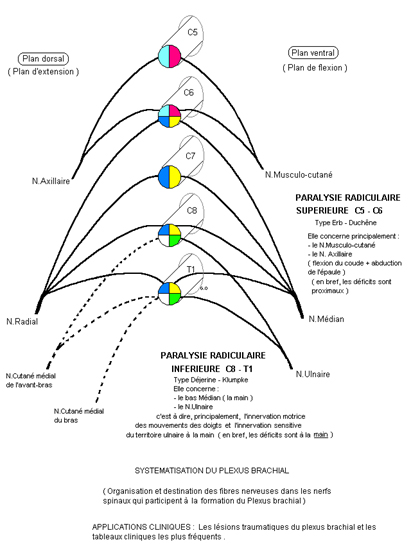
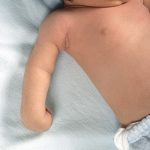
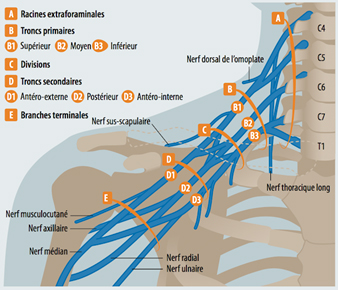
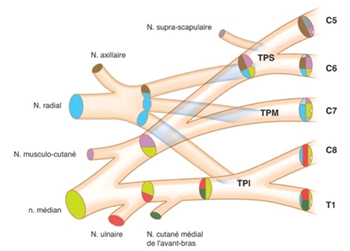
- Brachial plexus injuries: Brachial plexus injuries, such as those that occur during childbirth or accidents, can cause paralytic sequelae in the arm.

The paralytic sequelae of the upper extremities may cause difficulty performing daily tasks, manipulating objects, or performing precise movements. Treatment and management of these sequelae depend on the underlying cause and severity of the paralysis. Treatment approaches may include physical rehabilitation, occupational therapy, reconstructive surgery, use of assistive devices, and other supportive modalities.
Management of these sequelae is often done by a multidisciplinary team of health care practitioners, including physiotherapists, occupational therapists, neurologists, hand surgeons, and other specialists, depending on the specific needs of each individual. Psychological support can also play a crucial role in the adaptation and quality of life of those affected.
Based on his experience in hand surgery and the treatment of sequelae of nerve paralysis Dr. Abdelaali offers a management protocol to best restore function or fight against worsening of function through nerve grafting, palliative surgery or axial correction osteotomy.